
Retirement is supposed to be the reward for a lifetime of hard work. No alarm clocks, no Monday morning meetings and no pretending to be interested in someone else’s holiday photos around the office coffee machine.

Instead, you can enjoy holidays, hobbies, family and perhaps the occasional long lunch. There’s just one small problem. Your salary stops, but the bills don’t.
So, how do you make sure your money lasts throughout retirement without spending every evening staring nervously at your bank balance?
Here are 7 simple tips to help you enjoy your retirement without worrying about every penny.
1. Know What You Spend
Before you can manage your money, you need to know where it goes.
Start by working out your essential monthly expenses. These include food, household bills, council tax, insurance and any mortgage or rent payments.
Then add the enjoyable stuff: holidays, meals out, hobbies, days out and those little purchases that somehow end up costing £200 a month.

You might be surprised by what you discover. That daily coffee might not seem expensive, but over a year it could pay for a rather nice weekend away.
The aim isn’t to stop spending money. It’s to understand what you spend it on so you can make informed choices.
2. Separate Needs From Wants
Think of your retirement spending in two categories.
Needs: The things you must pay for, such as bills, food and heating.
Wants: The things that make life enjoyable, such as holidays, restaurants and hobbies.
Your State Pension and other reliable income can help cover your essential spending. Your private pensions, savings and investments can then help fund the lifestyle you want.
Ideally, you should know that your basic needs are covered before committing to expensive extras.
Of course, there’s no point having a wonderful financial plan if you never enjoy yourself. You can’t take your money with you, and nobody wants to be the richest person in the cemetery.
3. Don’t Take Too Much Out Of Your Pension
Your pension pump might look enormous when you first retire. But remember, it may need to support you for 25, 30 or even 35 years.
Taking large amounts out early can leave you short later on.
Imagine having £300,000 in your pension and withdrawing £30,000 a year. That’s 10% of your original pot every year, before allowing for investment growth, charges and inflation.
Keep doing that without sufficient growth, and your money could disappear surprisingly quickly.

There ‘s no single withdrawal rate that suits everyone. Your income needs, investments, health, other assets and life expectancy all matter.
The trick is to find a sensible balance between enjoying your money today and keeping enough for tomorrow.
4. Remember That Prices Keep Rising
A cup of coffee, a weekly shop or a holiday will probably cost more in ten years than it does today. That’s inflation, and it can quietly eat away at your spending power.
If your income stays the same while prices rise, you may gradually find yourself able to afford less. Your retirement plan should therefore consider how your income and investments might keep pace with rising costs.
Keeping all your money in cash may feel safe, but over a long retirement, inflation can be a bigger threat than many people realise. Depending on your circumstances, a mixture of cash and investments may help balance security with longer-term growth.
5. Keep Some Money For Emergencies
Boilers break down. Cars need replacing. Roofs develop mysterious leaks immediately after the guarantee expires. Unfortunately, these things rarely check your retirement budget before happening.
Keeping some accessible cash for unexpected expenses can help you avoid having to sell investments at an inconvenient time or take an unplanned withdrawal from your pension.

How much you need depends on your circumstances, but having a financial cushion can make a considerable difference to your peace of mind.
6. Make The Most Of Your Tax Allowances
The way you take money from your pensions, savings and investments can affect how much tax you pay. For example, pension withdrawals may be taxable, while money withdrawn from an ISA is generally tax-free.
Taking too much taxable pension income in one tax year could push you into a higher tax band unnecessarily.
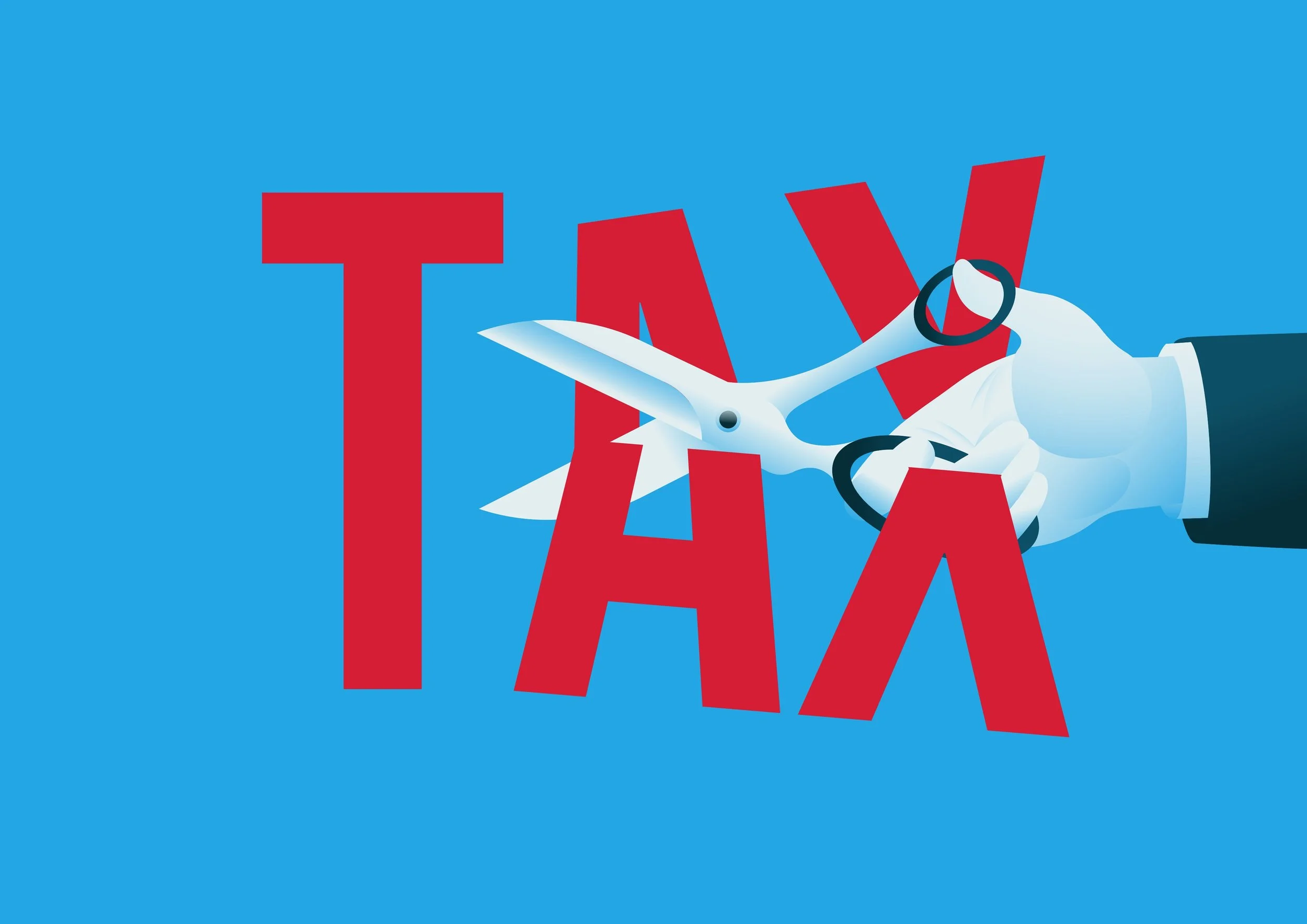
A little planning can help you keep more of your hard-earned money rather than sending an unexpected donation to HMRC.
The rules can be complicated, so getting professional advice may be worthwhile, particularly when deciding how to combine different sources of retirement income.
7. Review Your Plan Regularly
Your retirement plans will change. You might travel more in the early years, spend less later, move house or need additional care.
Reviewing your finances regularly helps you adapt to those changes before they become problems. A good retirement plan isn't something you put in a drawer and forget about. It should evolve as your life evolves.
The bottom line, Retirement should be about living, not simply surviving until the next pension payment.
With a clear budget, sensible withdrawals, some emergency savings and a plan for inflation and tax, you can give yourself a much better chance of enjoying the years ahead.
Simple Isn’t It?
The secret is simple: make your money work for the life you want, rather than letting money worries dictate how you live.
After all, you’ve spent decades working for your money. Now it’s time to make your money work for you.
As ever, I’m here If you need me.